
How to Make An Art Show Successful
Know Your Audience. Set Your Prices. Have quality frames and prints.
Participating in any art show is always a risk: the risk that your piece won’t sell. However, it’s always so worth it.
Before you participate in any show, conducting your own research is key to a more successful exhibit and more sales. Determine the show fees and commission rates, and factor these into your final price. It’s also a good idea to get an idea of what sizes sell and the average price pieces are sold. Sometimes event organizers offer this information ahead of time, suggesting ballpark ranges.
This has been my third year participating in Guild Hall’s Clothesline Fine-Art Sale in East Hampton, New York. What started in 1946 as a way to sell affordable art to the local community in a one-day sale, has turned into a yearly, exciting, and highly anticipated event where attendees line up an hour before it opens, hoping to take home fresh, affordable art. Typically, the demographic for this show consists of people searching for beach themes, since East Hampton is located near the ocean. I cater to that, offering bright white frames built around vibrant coastal themes, pieces that would hang beautifully in a beach home or cottage. Don’t overthink your pieces, either. The right customers will gravitate towards your work and your pieces will sell.
Find the right printer. This is probably the most critical part of the entire process. Quality combined with a timely production queue and support at every step is essential. A good printer can answer your questions and take the guesswork out of the process, especially if this is your first show. Most art shows require pieces to be wired, kept under a certain size, and often framed with plastic rather than glass.
Bay Photo makes the ordering process simple with their online interface. It’s easy to create an account and upload your images, with every printing option right there, from fine-art paper to metal prints, canvas to matted prints. The standard size options are easy to navigate, and creating a custom size is just as simple. You can slide your print to dial in the exact size and aspect ratio you want. Framing options live within the same interface, so you can design your frame without jumping between pages.
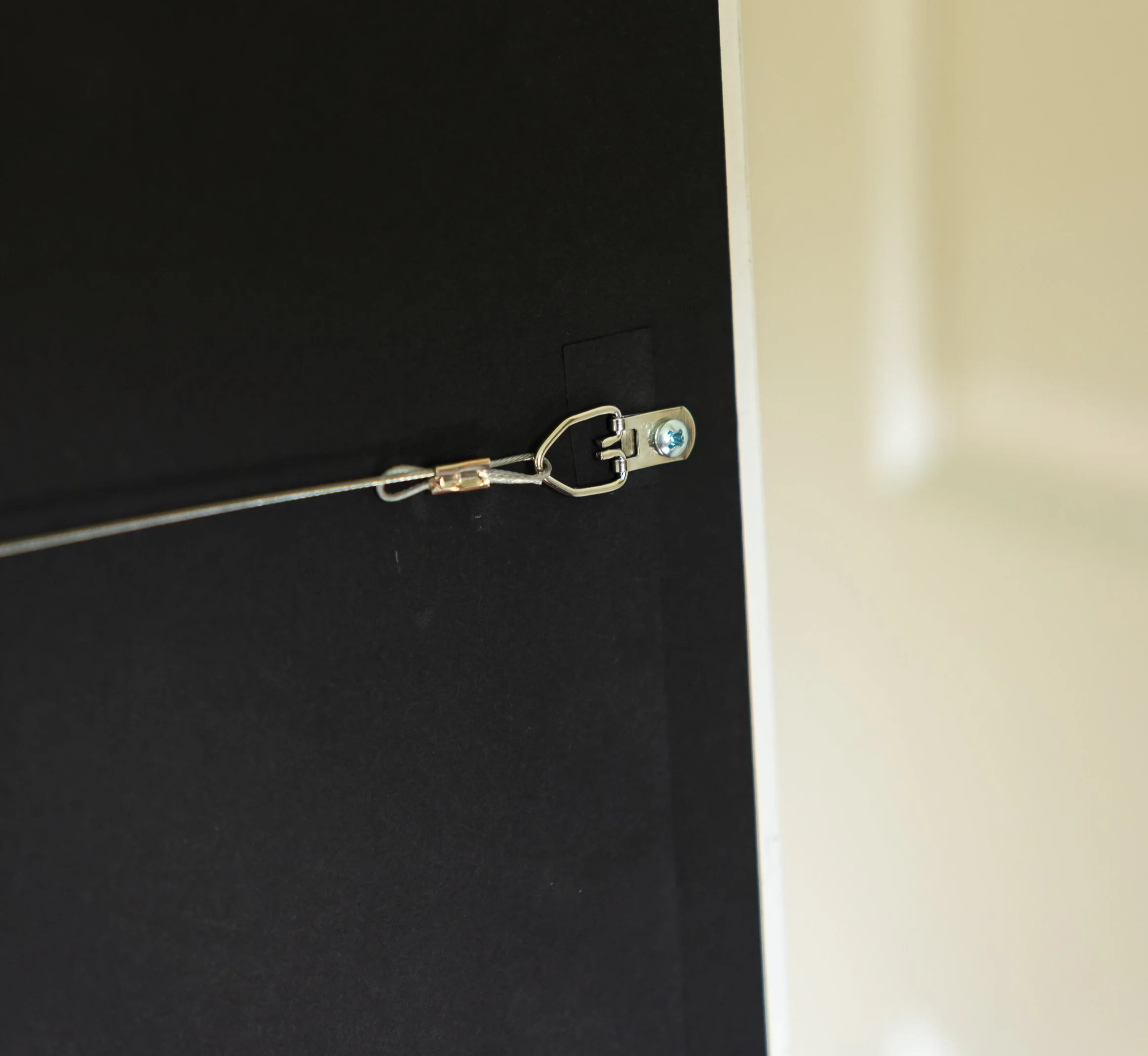
Wire hanging provided by Bay Photo
My favorite component to their online ordering system is the option to label each order. I like to tag each order I place with the show or client it’s for, which keeps everything organized. As a bonus, there is an option to ship white-label; no invoices are included, so whether it's going directly to a location or a client, whoever opens the box won't see any pricing information.
Prints are always packaged with great care and attention. They are secured and fastened, with the corners covered, so there is no damage to your piece. I keep the boxes, too, which makes it convenient when I transfer the pieces to their show.
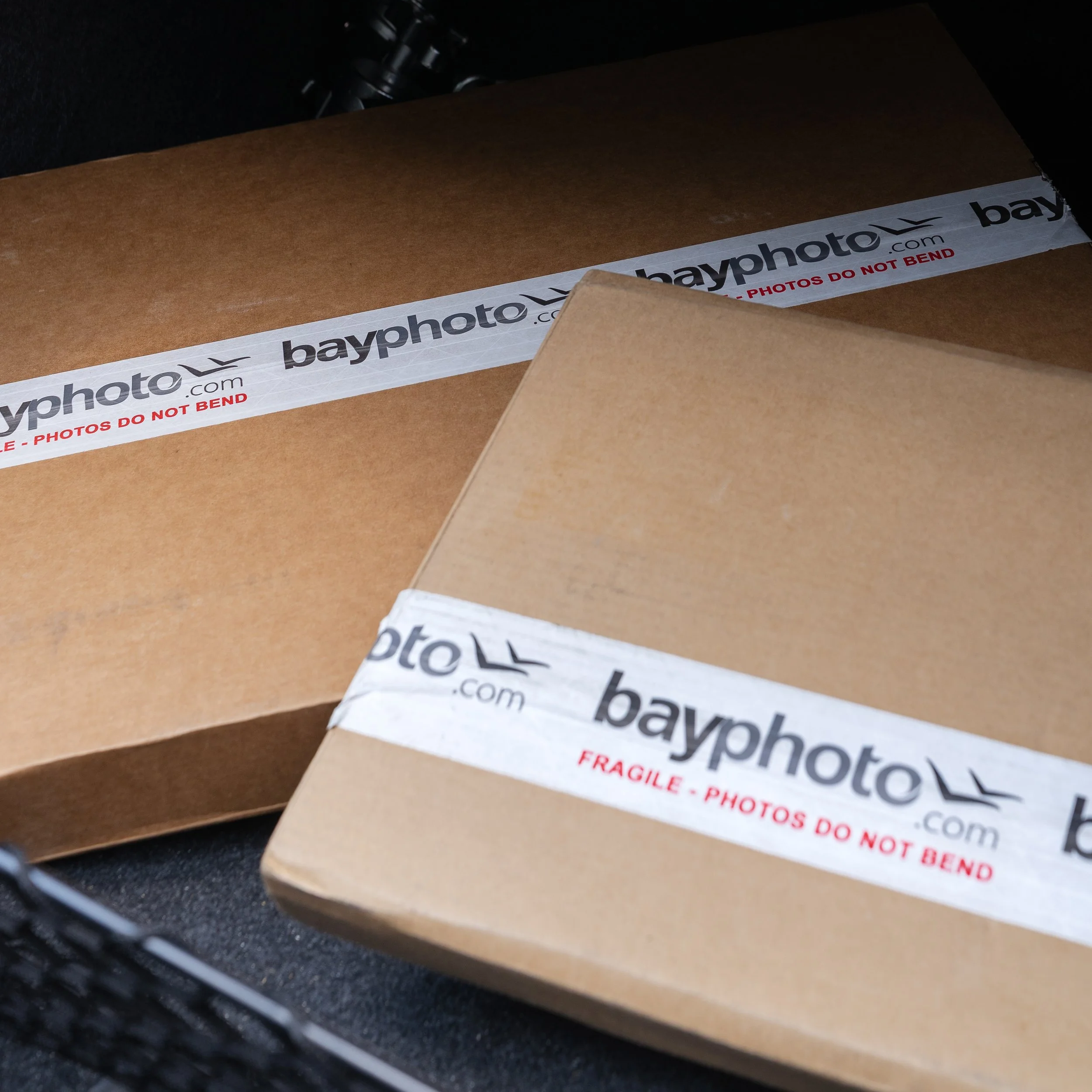
Packaged easy to transport from my home to the show.
At the end of the day, a successful show comes down to all these elements working together. Know your audience, price thoughtfully, and trust a printer who delivers quality. Get those pieces right, and the rest tends to fall into place. You can follow along with my work at corinnetouseyphotography.com or @corinnetousey on Instagram.
This post is written in collaboration with Bay Photo, who provided materials for this project. All opinions are my own.